
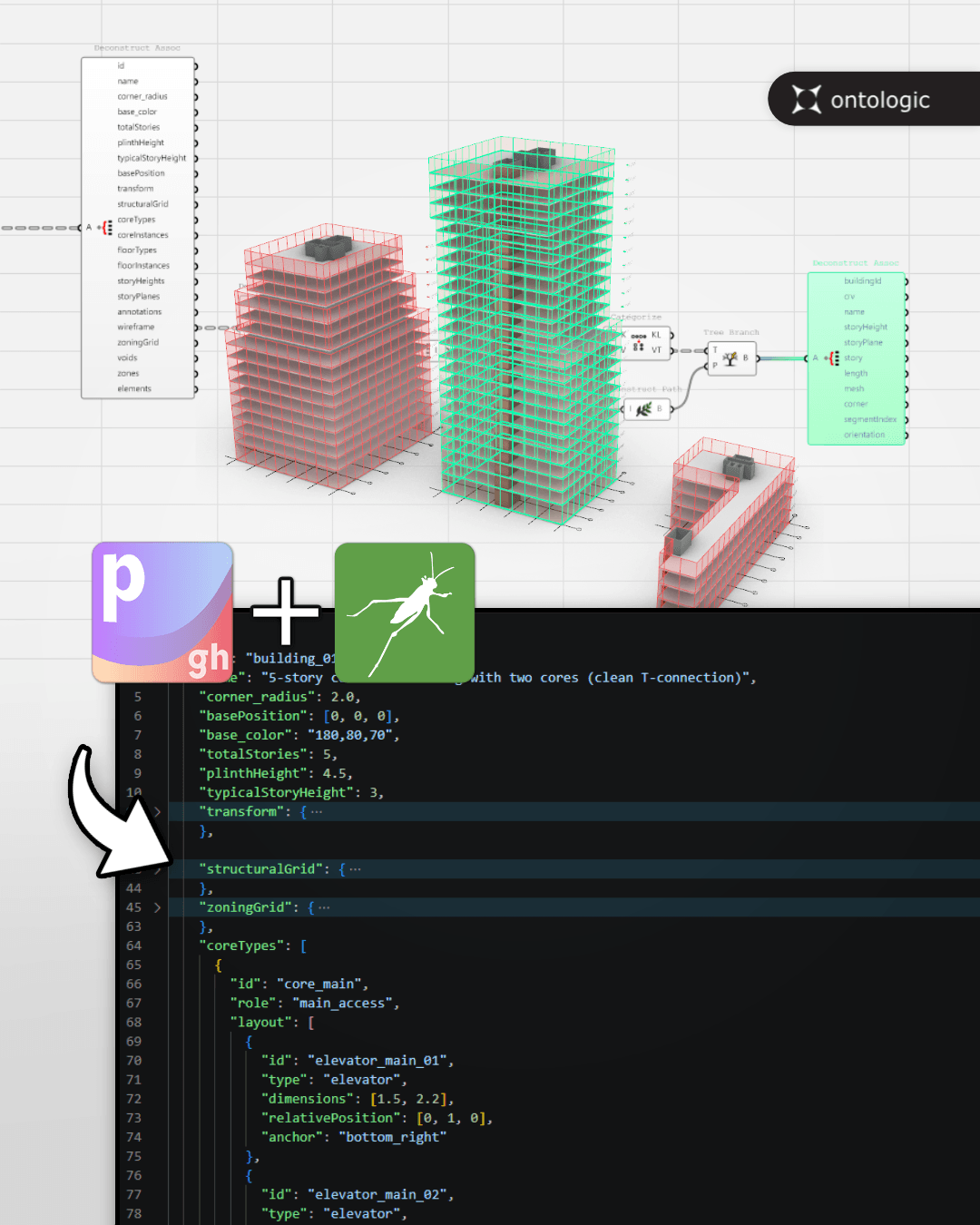
Insight 1
Large scripts need structure
Messy canvases do not scale
As Grasshopper definitions become more important to real projects, organization becomes part of the workflow quality, not just a visual preference.
Ontologic concept
Make Grasshopper definitions more scalable, readable and reusable for real project workflows.
A practical breakdown of using Pancake and clear scripting patterns to make Grasshopper definitions more scalable, reusable and team-friendly.
Format
Video concept
Focus
Grasshopper
Next step
Learn or implement
Main video
Key insights
Use these notes as a quick way to understand the workflow before or after watching the full video.
Insight 1
Messy canvases do not scale
As Grasshopper definitions become more important to real projects, organization becomes part of the workflow quality, not just a visual preference.
Insight 2
Insight 2
Cleaner scripts help both you and your team
When definitions are organized into clearer regions, naming conventions and reusable patterns, they become easier to debug, document and hand over.
Insight 3
Insight 3
AI and data workflows need legible systems
If you want AI tools, dashboards or external databases to interact with Grasshopper, the underlying definition needs predictable structure and meaningful data outputs.
Learn with Ontologic
Join the Ontologic course waitlist and learn Grasshopper, computational design, BIM/data workflows and AI-assisted AEC systems through practical project-based lessons.
Links and resources
Use these links to move deeper into the topic, explore related learning paths, or see how Ontologic can help implement similar workflows.
Related concepts
Continue with related Grasshopper, AI, BIM and AEC automation ideas.
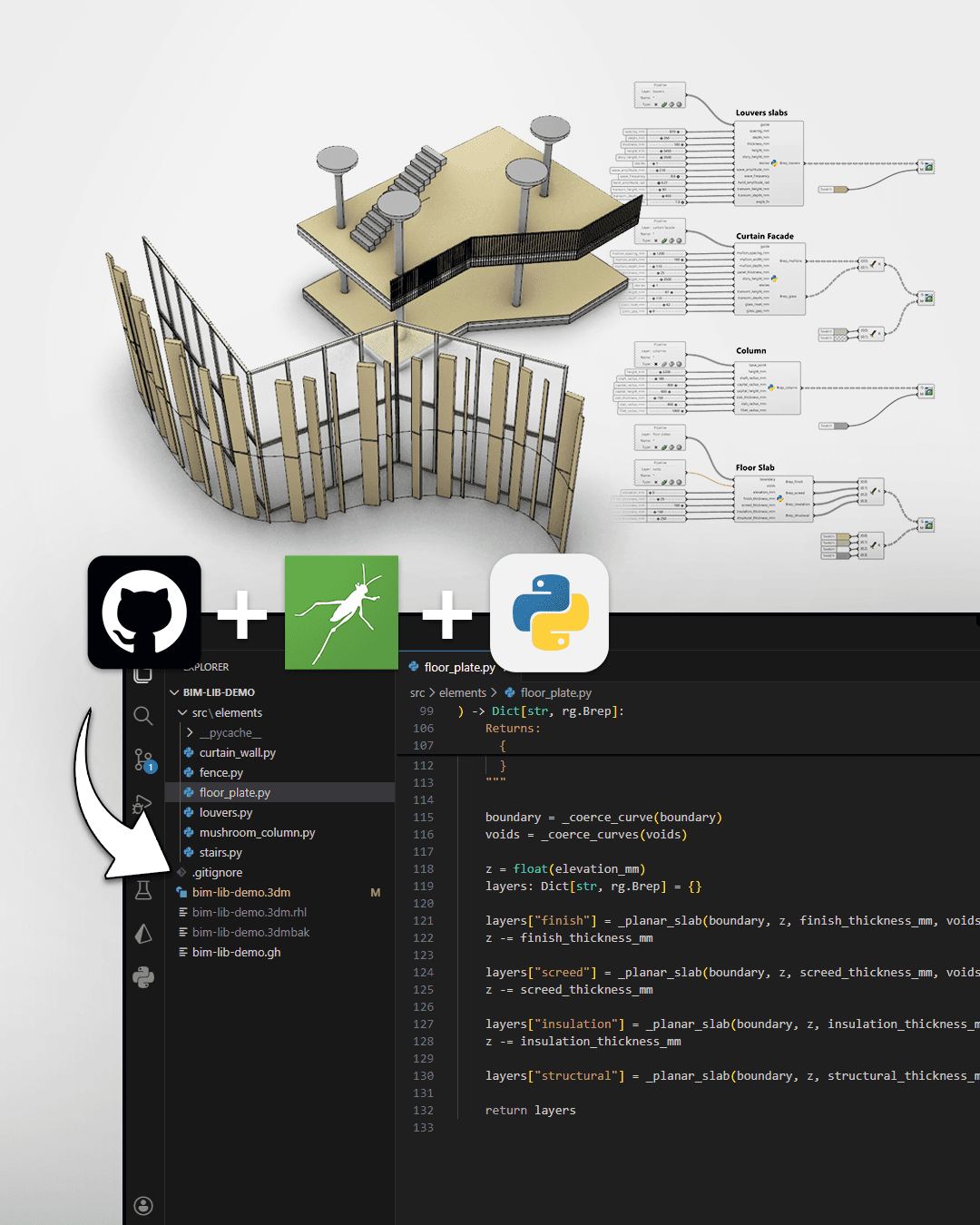
Use version control and better workflow habits when Grasshopper projects become larger and more collaborative.
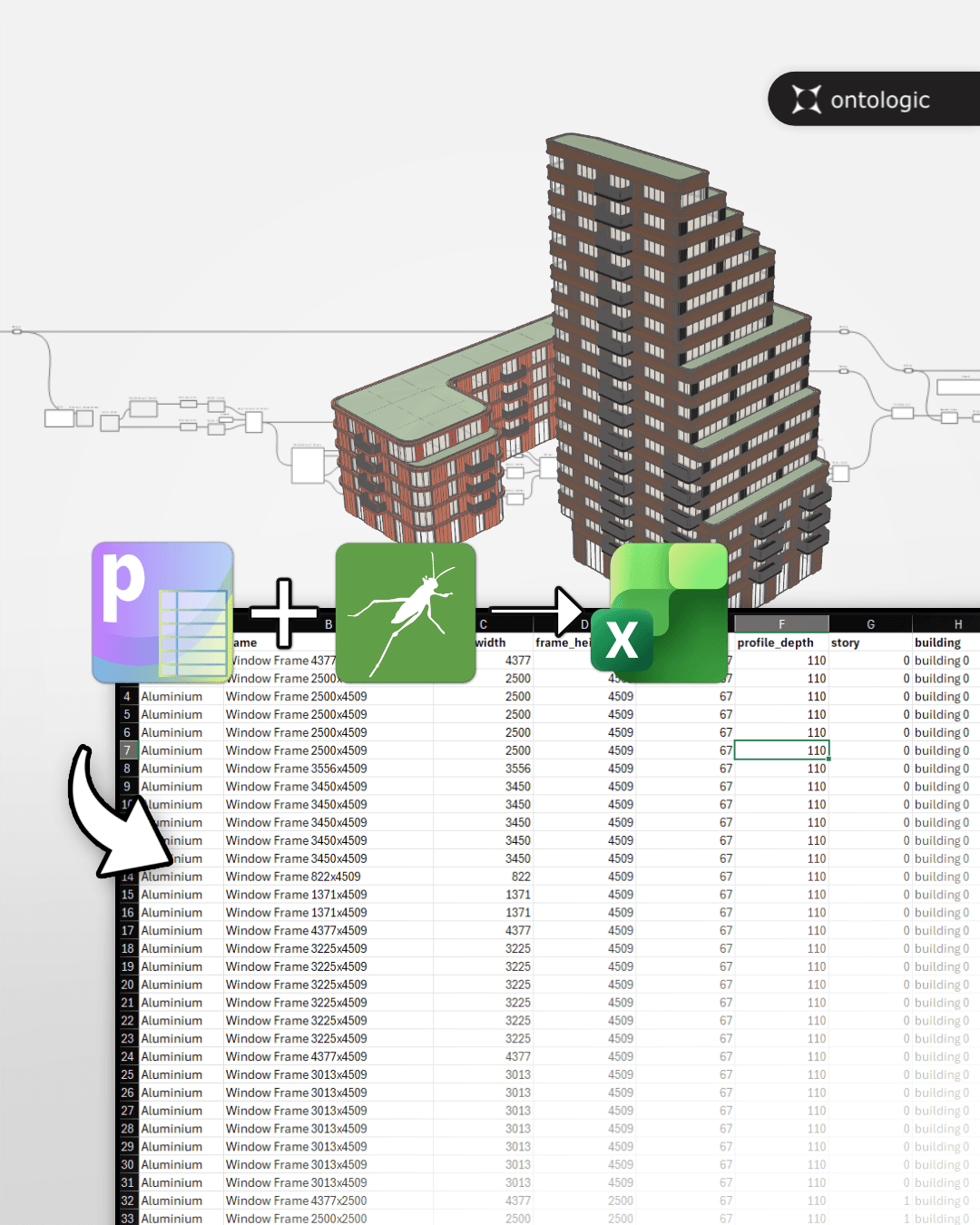
Move parametric model data from Grasshopper into a format that more people can inspect, edit and discuss.
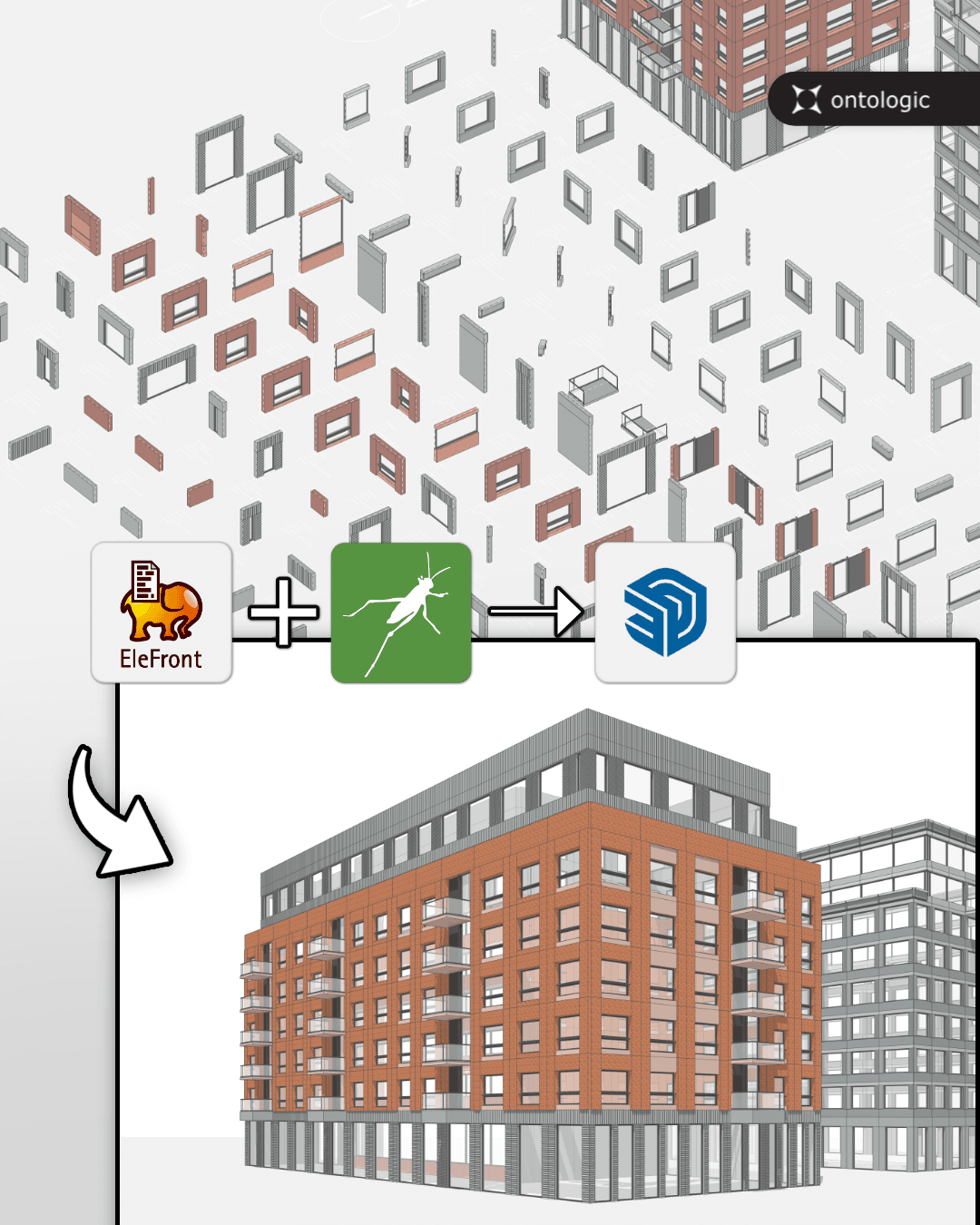
Use Grasshopper as a facade generation engine, then continue design work in SketchUp.